










Disclaimer: This post is sponsored by the Tulane Weight Loss Center.
Your Children are Listening: How to Talk About Weight, Health, and Food at Home
Talking to children about weight can feel overwhelming for parents. Many moms worry about saying the wrong thing, creating insecurity, or making food and bodies feel like something to fear. But according to Tulane doctors Dr. Shauna Levy and Dr. Mary Rossi, the conversation doesn’t have to start with weight at all. It should start with health.
Dr. Rossi, Assistant Professor of Clinical Pediatrics at Tulane University School of Medicine and head of the Manning Family Children’s Weight Management Clinic, says healthy living should never be presented as something one child needs to do because of their size. Instead, it should be framed as something the whole family practices together.

A balanced plate is good for every child. Movement is good for every child. Drinking fewer sugary beverages is good for every child. These habits are about building a healthier household, not about punishment, appearance, or singling anyone out.
That family-centered approach matters because children are always listening. The way parents talk about their own bodies can shape how a child thinks about food, weight, and self-worth. A casual comment about needing to “be good” after eating dessert or criticizing your body in the mirror may seem small, but children absorb those messages. Instead of labeling foods as “good” or “bad,” families can talk about balance, energy, and caring for their bodies.
Both Levy and Rossi emphasized that blame has zero place in these conversations. Obesity is not a moral failure, nor a sign that a parent has failed. Our medical understanding of obesity has changed dramatically over the last two decades. Today, physicians understand much more about the biology, genetics, and chronic nature of obesity, including in children and adolescents
Dr. Levy, Associate Professor of Bariatric Surgery at Tulane School of Medicine and Medical Director of the Tulane Weight Loss Center, explains that obesity is a disease that is often easier to address earlier rather than later. Prevention and early intervention matter, but so does compassion. Some children are more biologically prone to weight gain than others. Some families are navigating genetics, metabolism, environment, stress, medications, access to food, and other factors.
For parents, that means taking a deep breath before beginning the conversation. Many parents bring their own history and fears about weight into the room. Maybe they struggled with weight as children. Maybe they have experienced shame or bullying themselves. Maybe they are afraid their child will go through the same thing. Those feelings are real, but they should not become a child’s burden.

So what should parents say?
Start with simple, neutral language. Instead of “You need to lose weight,” try “Our family is going to work on feeling stronger and healthier together.” Instead of focusing on a number on the scale, talk about health, energy, strength, confidence, and fueling their bodies and minds.
It is also important to listen when children are ready to talk. Some children are already focused on their weight. They may have been teased at school or may feel uncomfortable in their bodies. If a child brings it up, it’s best not to dismiss their feelings with “Don’t worry about that.” Instead, listen. Let home be a safe place where they can be sad, angry, or confused without judgment.
Mealtimes should support healthy habits without becoming a source of stress or conflict. Dr. Rossi encourages parents to focus on serving a balanced plate that they are comfortable with their child eating, then allow the child to decide what and how much to eat from what is offered. If the child chooses not to eat, parents may decide whether to save the plate for later, but the goal is to avoid turning food into a punishment, reward, or power struggle. Sharing even a few screen-free meals each week can also help families build routines, connect with one another, and give children space to recognize their hunger and fullness cues.
That supportive approach is especially important as children encounter social media, peer pressure, unrealistic body standards, and misinformation about dieting at increasingly young ages. For adolescents whose bodies and brains are still developing, the focus should not be on extreme diets, restriction, or quick weight loss, but on appropriate nutrition, healthy growth, and long-term well-being.
Parents should consider seeking professional help as soon as they are concerned. You do not have to wait until there is a crisis. A pediatrician, dietitian, obesity medicine specialist, or behavioral health provider can help families understand what is happening and what options may be appropriate.
For some children and teens, lifestyle changes alone may not be enough. Pediatric obesity treatment can include nutrition support, family-based lifestyle changes, medications for adolescents, and, in some cases, bariatric surgery. These are medical tools, not shortcuts, and they require careful evaluation and long-term support.
That is why Dr. Levy and Dr. Rossi are working together through Manning Family Children’s to help expand access to comprehensive adolescent obesity care in Louisiana. For families in our region, this kind of program can help fill a major gap by bringing together medical expertise, compassion, and support.
The most important message for parents is this: you are not a bad parent, and your child is not a bad kid. Healthy change does not have to begin with shame. It can begin with one family meal, one honest conversation, one walk around the block, or one appointment asking for help.
Small steps count, and when the whole family takes them together, children do not have to carry the weight of the conversation alone.
If you or someone you know has questions about obesity treatment, help is available. Adults may call the Tulane Weight Loss Center at 504-988-BARI (2274) or visit tulaneweightloss.com. Parents or caregivers seeking care for a child or adolescent may call Manning Family Children’s Pediatrics & Specialty Care at 504-896-3099 or visit the clinic website.
About the Providers
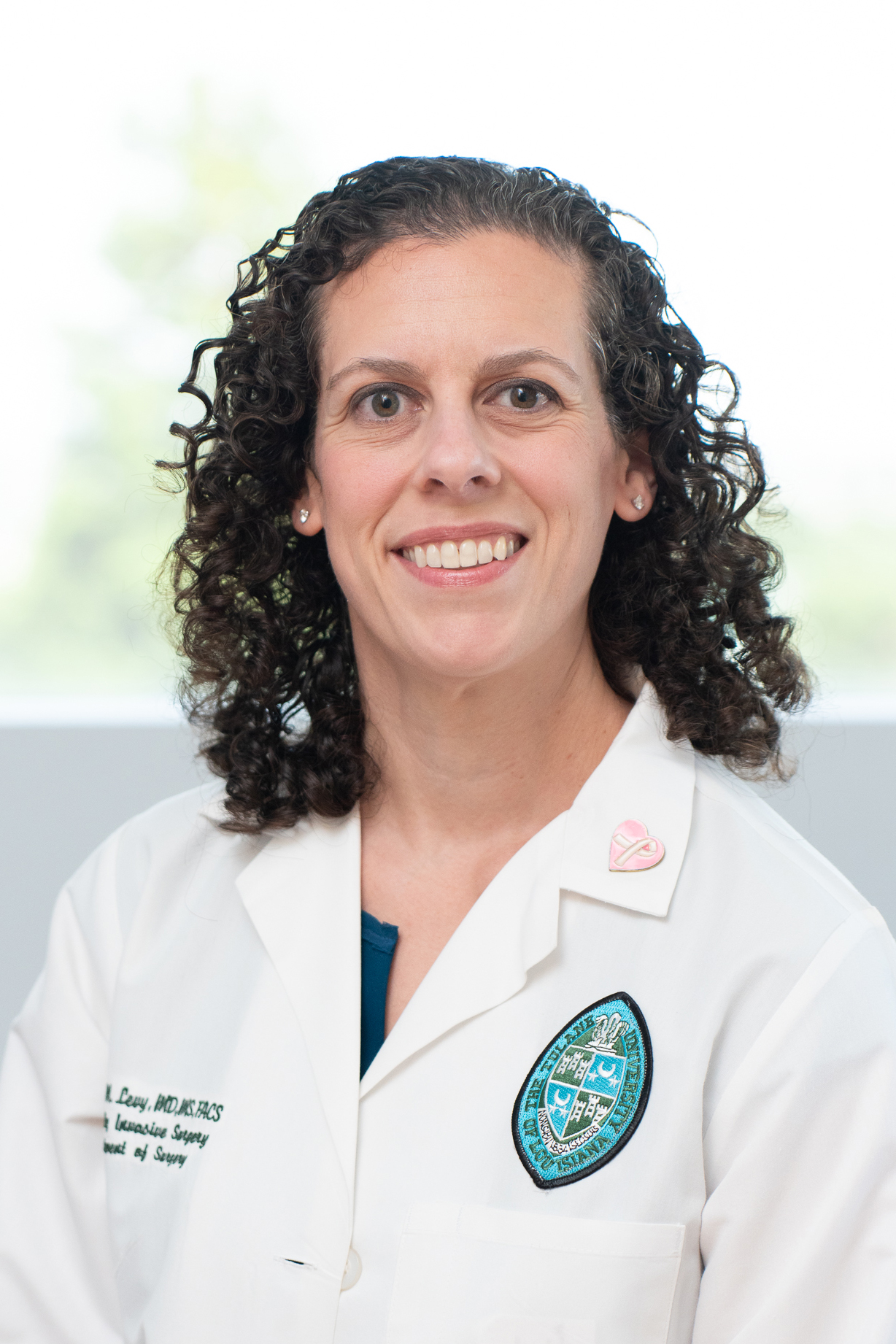 SHAUNA LEVY
Shauna Levy, MD, MS, FACS, FASMBS, DABOM, is an Associate Professor of Bariatric Surgery at Tulane School of Medicine and Medical Director of Tulane Weight Loss Center. She is double board-certified in General Surgery and Obesity Medicine and fellowship-trained in minimally invasive surgery, with a focus on Foregut and Bariatric procedures.
Dr. Levy specializes in anti-obesity medications and surgical weight loss treatments, including vertical sleeve gastrectomy, Roux-en-Y gastric bypass, and duodenal switch. She is passionate about helping patients treat obesity and works closely with them to achieve long-term weight loss.
MARY ROSSI
Mary Younger-Rossi, MD, is an Assistant Professor of Clinical Pediatrics at Tulane University School of Medicine and head of the Manning Family Children’s Weight Management Clinic. She is a board-certified pediatrician who specializes in caring for children and adolescents affected by obesity, diabetes, high cholesterol, and other endocrine conditions.
Dr. Rossi is passionate about helping young patients and their families better understand their health and develop treatment plans that are realistic, individualized, and sustainable. She believes that listening with an open mind is essential to providing exceptional care and works closely with each family to address their concerns, explain their options, and support long-term health.